Skip to:



Have you ever found yourself in the kitchen, pondering the choice between a carton of broth and a jar of bouillon paste? You're not alone in wondering if the distinction truly matters. While all three—stock, broth, and bouillon—contribute savory depth to your dishes, they are not interchangeable. Understanding their unique characteristics can transform your cooking, making it more intuitive and flavorful.
The great news is that achieving rich, foundational flavors doesn't always require hours of simmering bones. Modern kitchen staples like bouillon paste and concentrated stock offer that same deep flavor base in mere minutes. Let's simplify these culinary essentials.
Key Takeaways for Mastering Bouillon, Broth & Stock
- Stock provides a rich, neutral base, ideal for sauces and braises, often made from bones.
- Broth is a lighter, seasoned liquid, perfect for sipping or as a quick soup base.
- Bouillon, especially bouillon paste, offers a concentrated, bold flavor that dissolves quickly to create an instant broth or enhance dishes.
- You can easily substitute bouillon for broth or stock in most recipes, adjusting for seasoning.
- Knorr bouillon pastes and concentrated stocks offer consistent, dependable flavor foundations for confident cooking.
- Utilize bouillon beyond soups to boost flavor in rice, sauces, roasted vegetables, and marinades.
Stock vs Broth vs Bouillon: Essential Differences for Your Culinary Creations
While stock, broth, and bouillon all aim to infuse your dishes with rich flavor, they each achieve this goal through distinct methods and offer unique culinary benefits.
Stock is traditionally crafted by simmering bones with vegetables and aromatics for several hours. This slow process extracts collagen, imparting a desirable body and a slightly silky texture. Culinary experts often choose stock for its neutral richness, making it an ideal foundation for sauces and braises where deep flavor is desired without overpowering seasoning.
Broth, in contrast, is typically lighter and made by simmering meat with vegetables and salt. It's often seasoned and can be enjoyed on its own as a comforting beverage. For many home cooks, broth serves as a convenient, ready-to-use base for quick soups, flavorful rice, and effortless weeknight meals.
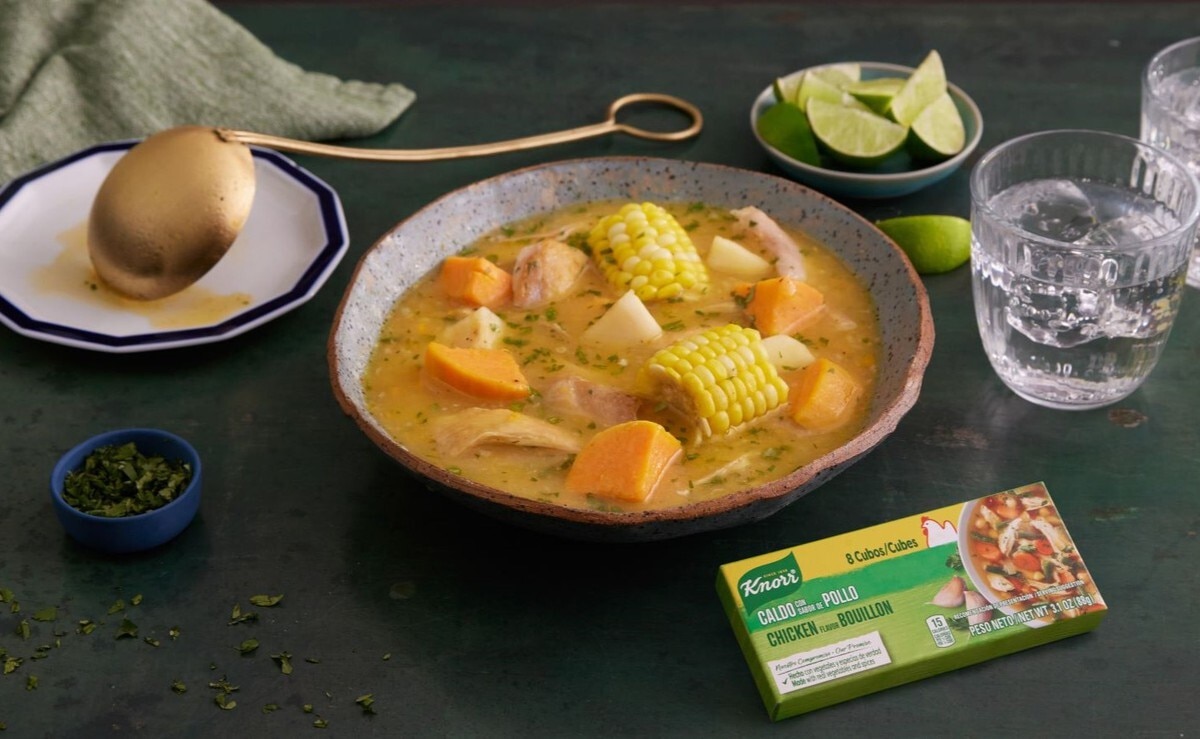
Bouillon offers a concentrated approach to flavor. Available in various forms like cubes, granules, powder, or bouillon paste, it transforms into a savory broth base when dissolved in water, often in just minutes. Its concentrated nature means it delivers deep, savory notes efficiently, eliminating the need for extensive cooking times.
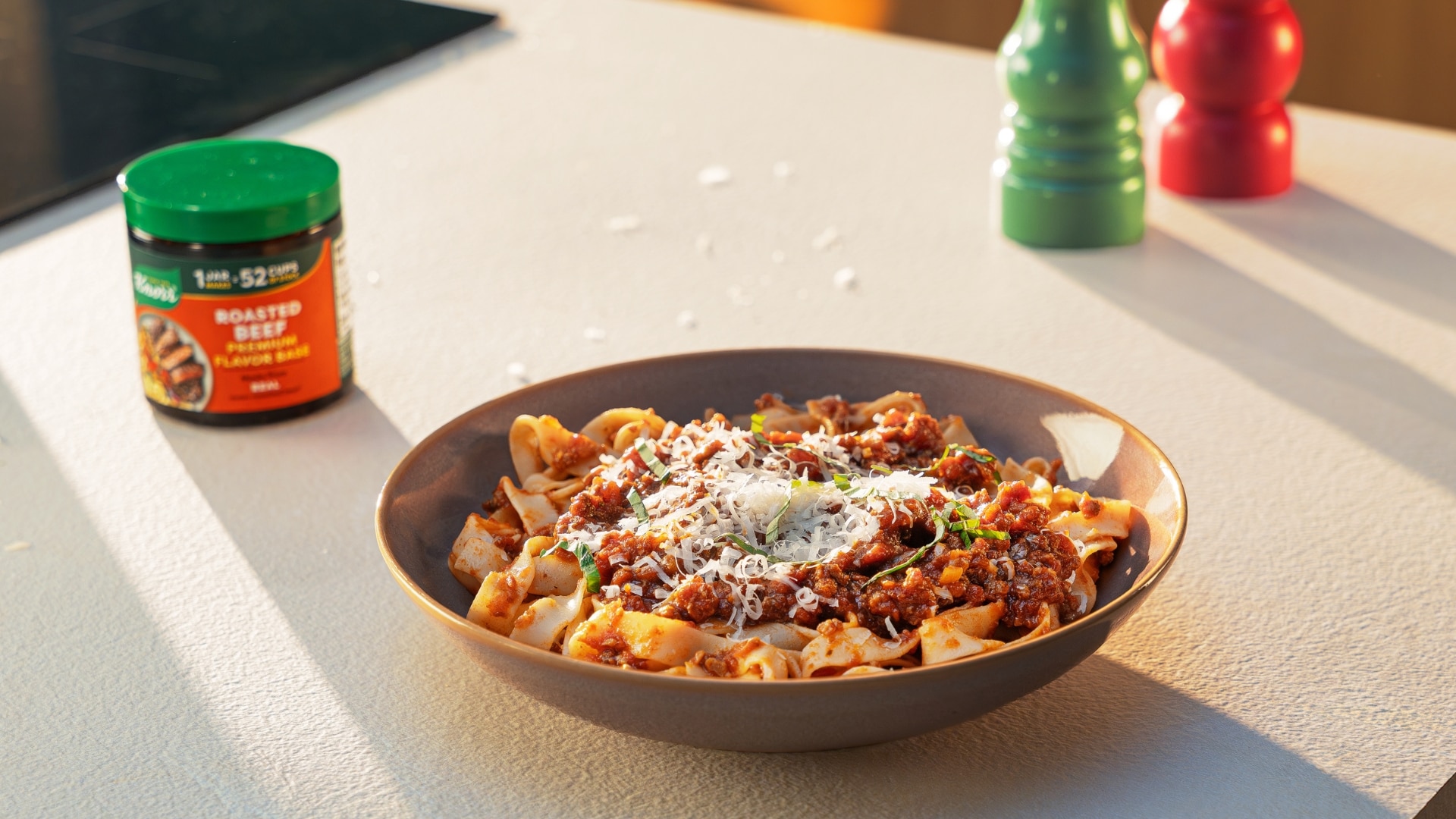
Among these, bouillon paste is particularly favored for its smooth blending capability and the precise control it offers over flavor intensity, allowing you to customize the strength to your exact preference.
Quick Comparison: Stock, Broth, and Bouillon Paste at a Glance
To help you quickly grasp the distinctions and choose the best option for your cooking needs, here's a side-by-side comparison of stock, broth, and bouillon paste, highlighting their key features and ideal uses in your kitchen.
|
Feature |
Stock |
Broth |
Bouillon / Bouillon Paste |
|---|---|---|---|
|
Form |
Liquid |
Liquid |
Cube, granules, powder, paste |
|
Preparation Time |
Hours |
1 to 2 hours |
Minutes |
|
Flavor Intensity |
Rich, neutral |
Light, seasoned |
Concentrated, bold |
|
Texture |
Fuller body |
Lighter |
Depends on dilution |
|
Best Use |
Sauces, braises |
Soups, sipping |
Broth base, flavor base, everyday cooking |
|
Shelf Stability |
Refrigerated or frozen |
Refrigerated |
Pantry stable |
Unlock Flavor: Your Guide to Making Broth from Bouillon
Transforming bouillon into a rich, savory broth is simpler than you might think. Whether you're using cubes, granules, or paste, these concentrated flavor bases offer a quick and convenient way to create a delicious foundation for your culinary creations. Discover how easy it is to prepare a flavorful broth in minutes, giving you more time to enjoy your cooking.
For generations, Knorr has focused on building dependable flavor foundations. Knorr bouillon pastes and concentrated stock products dissolve evenly and deliver consistent results, so you can cook confidently without overthinking it.
If you want to explore more concentrated options, you can see the full range of Knorr Premium Flavor Bases here.
How to Prepare Broth with Bouillon & Bouillon Paste
Are Stock and Broth Interchangeable in Recipes?
In most everyday cooking scenarios, stock and broth can indeed be used interchangeably. While stock typically offers more body due to its collagen content, and broth often comes pre-seasoned, swapping them usually won't compromise your dish. Simply taste as you go and adjust the salt or other seasonings as needed. Consider both as excellent broth bases that provide a convenient head start for your culinary creations.
Can You Substitute Bouillon for Broth in Recipes?
Absolutely! Bouillon, whether in cube, granule, or paste form, is an excellent substitute for broth. By dissolving bouillon or bouillon paste in water, you instantly create a flavorful broth base. This is a key reason many home cooks keep it stocked in their pantry: it saves time and minimizes waste, as you can prepare precisely the amount you require.
Since bouillon acts as a concentrated flavor base and often contains seasoning, it's wise to taste your dish before adding extra salt to ensure perfect balance.
Can You Substitute Bouillon for Stock?
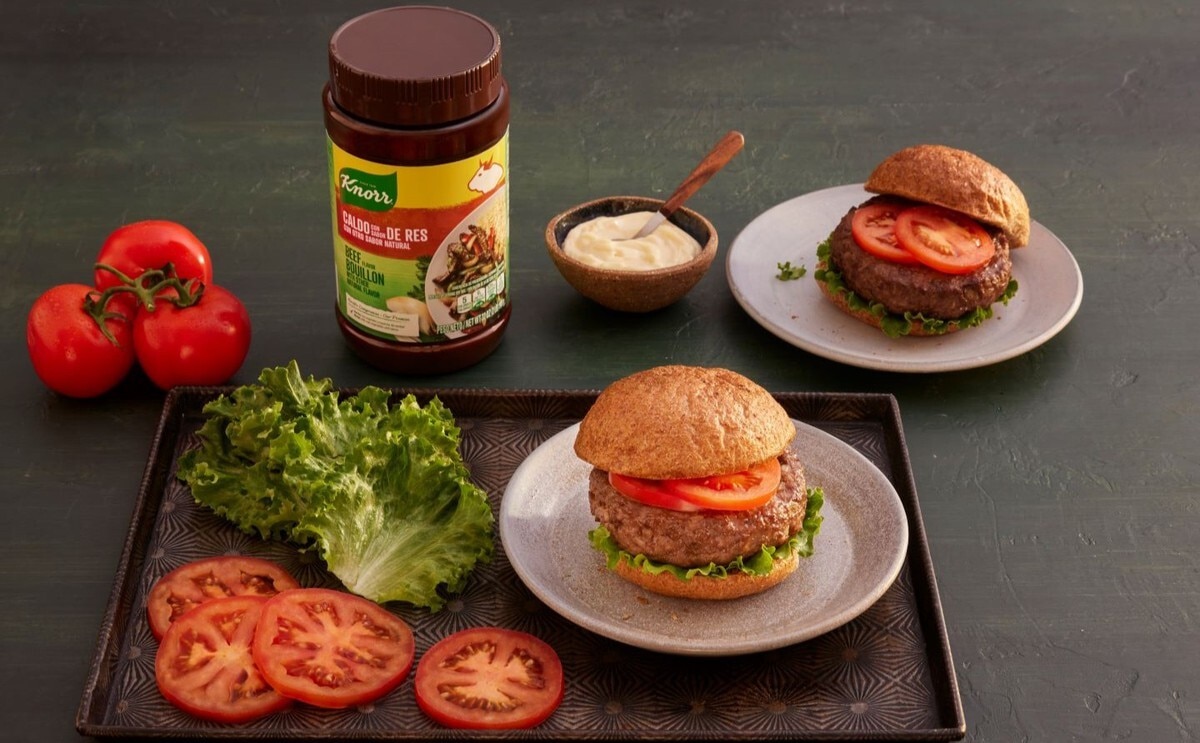
Yes, many home cooks successfully substitute bouillon for stock, particularly in dishes like soups, stews, and braises. Products like Knorr Concentrated Stock and Knorr Premium Flavor Bases are designed to provide a rich, layered taste that can beautifully replace traditional stock, offering significant depth without the need for long simmering times.
When you dissolve bouillon paste in water, it creates a versatile, stock-like broth base that performs effectively in most recipes, ensuring your dishes are always flavorful.
Everyday Ways to Use Bouillon and Bouillon Paste
Bouillon is far more versatile than just a soup base. Its concentrated flavor makes it an excellent addition to a wide array of dishes:
- Quick Broth Base: Quickly build a savory foundation for soups and stews.
- Pan Sauce Enhancer: Strengthen and deepen the flavor of quick pan sauces.
- Grain Booster: Boost the savory notes in rice, quinoa, or other grains.
- Pasta Water Depth: Add a layer of flavor to your pasta water.
- Slow Cooker Meals: Enhance the overall taste of slow cooker recipes.
- Roasted Vegetable Seasoning: Season vegetables before roasting for a richer flavor profile.
Because bouillon paste functions as a potent, concentrated flavor base, you can also stir it directly into dishes when you desire an extra layer of savory richness and complexity.
Mastering Your Culinary Foundations
Stock, broth, and bouillon are all invaluable tools for building incredible flavor in your kitchen. The key distinction lies in their preparation time, concentration, and the flexibility they offer. For those seeking convenience without compromising on rich, savory depth, bouillon paste and concentrated flavor bases are exceptional choices, providing unparalleled control and consistent results.
Whether you have ample time for simmering or need a quick, flavorful solution on busy weeknights, understanding these culinary essentials empowers you to cook confidently and create delicious meals every time.
Frequently Asked Questions About Bouillon, Broth & Stock
The main difference lies in their ingredients and cooking time. Stock is typically made by simmering bones with vegetables for several hours, resulting in a richer body and more neutral flavor due to collagen. Broth is made by simmering meat with vegetables and seasonings for a shorter period, yielding a lighter, more seasoned liquid that can be enjoyed on its own.
Yes, absolutely! Bouillon, whether in cube, granule, or paste form, is designed to be dissolved in water to create an instant broth. It serves as an excellent and convenient substitute for liquid broth in most recipes. Just be mindful of the seasoning, as bouillon is concentrated and often contains salt.
A general guideline is to use one bouillon cube or one teaspoon of granulated bouillon per cup of hot water. For bouillon paste, start with about half a teaspoon per cup and adjust to your taste, as its concentration can vary. Always check the product packaging for specific instructions.
Yes, bouillon paste is significantly more concentrated than traditional liquid broth. Its condensed form allows for a more intense flavor profile, giving you greater control over the strength and richness of your broth or dish. This concentration also contributes to its longer shelf stability.
Beyond making broth, bouillon paste is a versatile flavor enhancer. You can stir it directly into pan sauces, mashed potatoes, or risotto. It's also excellent for seasoning roasted vegetables, enriching marinades, or boosting the flavor of slow cooker meals, adding a deep savory note to almost any dish.
Knorr bouillon products, including pastes and concentrated stocks, are crafted to provide dependable and consistent flavor foundations. They dissolve smoothly and deliver rich, savory notes, empowering you to cook confidently and achieve delicious results quickly, without the need for extensive preparation.