Skip to:
;Resize=(240,200))
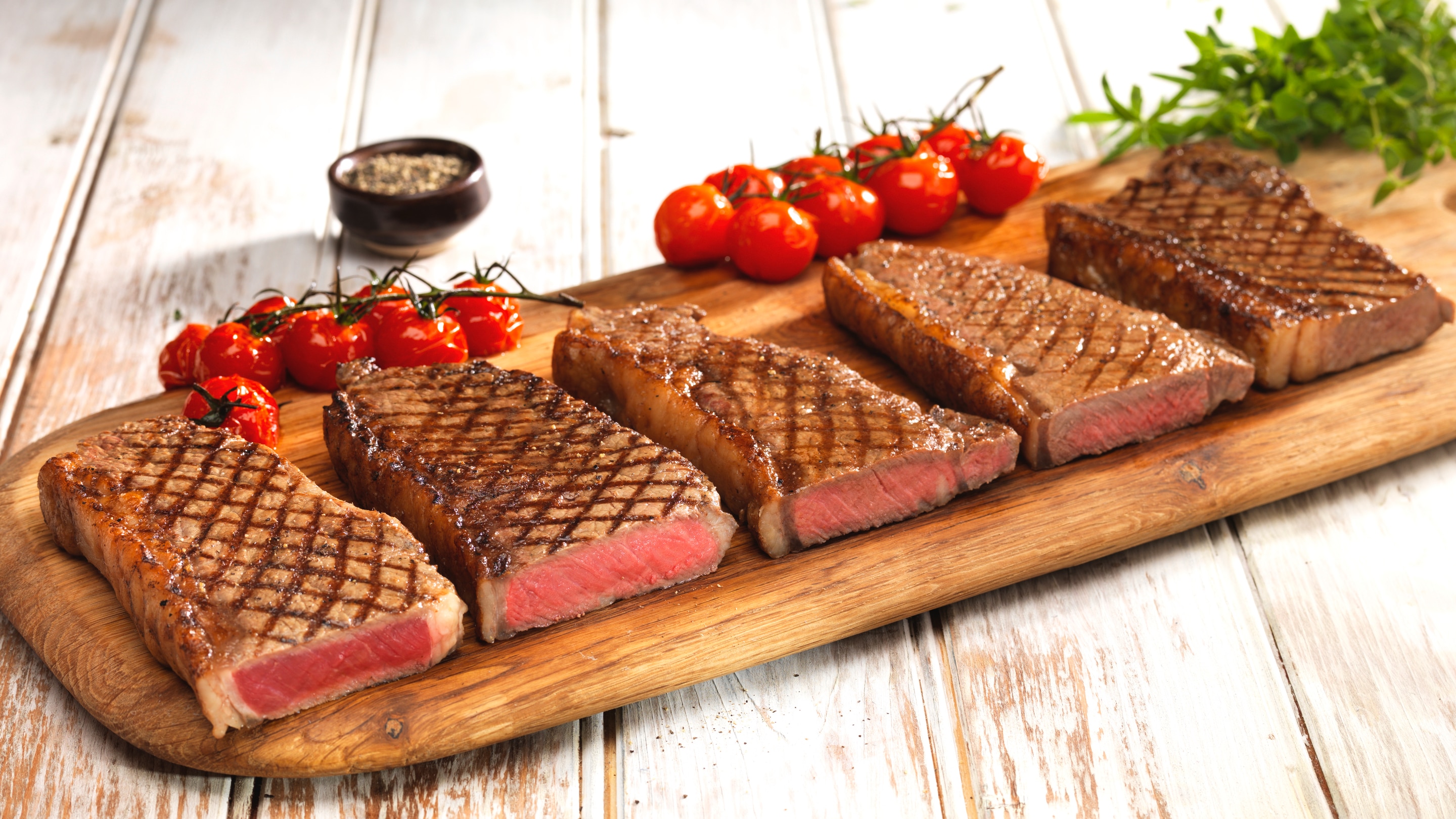
Achieving perfectly cooked meat, whether it's a succulent roast beef, tender lamb, juicy pork, or safely cooked chicken, starts with knowing the right internal temperatures. This comprehensive Knorr guide is designed to empower you with essential core temperature guidelines for roasting various meats, ensuring delicious and safe results every time. We'll help you understand the ideal temperatures for different cooking levels, both straight out of the oven and after crucial resting, so you can confidently prepare meals your family will love.
Remember, every oven is unique, so consider this a reliable starting point. We'll also highlight the importance of resting your meat, allowing the temperature to rise slightly and juices to redistribute for maximum flavour and tenderness.
Key Takeaways for Perfect Roasting
- Precision is Key: Use a meat thermometer to accurately measure internal temperatures for consistent results.
- Resting is Essential: Always allow meat to rest after roasting; temperatures will rise by 6-8°C, ensuring juicier, more tender meat.
- Know Your Doneness: Understand the specific temperature ranges for rare, medium-rare, medium, and well-done for each type of meat.
- Oven Variability: Ovens differ, so use these guidelines as a flexible reference, adjusting as needed for your appliance.
- Safety First: Ensure chicken and pork reach safe internal temperatures for consumption.
- Knorr's Guidance: This guide covers beef, lamb, veal, pork, and chicken, helping you master various roasts.
Beef and Lamb Roasting Temperatures
Achieve your desired doneness for beef and lamb, from a beautifully rare steak to a well-done roast, with these precise core temperature guidelines. Remember, the internal temperature of your roast beef or lamb will continue to rise during the resting period, contributing to a more tender and flavourful result. Use a reliable meat thermometer to hit these targets for perfect medium rare beef temp or any other preference.
| Cooking Level | Temperature out of the oven (°C) | Temperature after resting (°C) |
|---|---|---|
| Rare | 48-52°C | 55-60°C |
| Medium Rare | 55-59°C | 55-60°C |
| Medium | 60-66°C | 55-60°C |
| Well done | 67-71°C | 55-60°C |
Veal and Pork Roasting Temperatures
Ensure your veal and pork are cooked to perfection and safe to eat with these essential temperature recommendations. The resting period is crucial for these meats, allowing for carry-over cooking and ensuring a juicy, tender finish. Pay close attention to the pork internal temp c for optimal safety and taste, especially for pork temperature UK guidelines.
| Cooking Level | Temperature out of the oven (°C) | Temperature after resting (°C) |
|---|---|---|
| Medium | 60°C | 70°C |
| Well done | 70°C | 80°C |
Chicken Roasting Temperatures
For safe, succulent, and delicious chicken, always aim for these core internal temperatures. The resting period is particularly crucial for poultry, ensuring the juices redistribute throughout the meat for incredibly moist results. Follow these chicken cooking temperature guidelines for peace of mind and perfectly cooked chicken every time, adhering to chicken internal temp UK standards.
| Cooking Level | Temperature out of the oven (°C) | Temperature after resting (°C) |
|---|---|---|
| Well done | 65°C | 75°C |
Mastering Your Roasting Journey with Knorr
With Knorr's comprehensive temperature guide, you're now equipped to confidently roast beef, lamb, veal, pork, and chicken to perfection. Understanding the ideal internal temperatures and the importance of resting ensures every meal is not just delicious but also safely prepared. Embrace these tips to elevate your cooking, impress your guests, and enjoy consistently tender, juicy results. Happy roasting!
Frequently Asked Questions About Meat Temperatures
For a perfect medium rare beef, aim for an internal temperature of 55-59°C when it comes out of the oven. After resting, the temperature will typically rise to 55-60°C, ensuring a tender and juicy result. Always use a reliable meat thermometer for accuracy.
Resting meat is crucial because it allows the internal temperature to continue rising (known as carry-over cooking) and, more importantly, enables the muscle fibres to relax and reabsorb the juices. This process results in a significantly juicier, more tender, and flavourful roast. Without resting, the juices would escape when you slice the meat, leaving it dry.
According to UK guidelines, chicken should reach a safe internal temperature of 75°C after resting. When it comes out of the oven, aim for 65°C, as the temperature will continue to rise during the resting period. Always ensure the juices run clear and there is no pink meat.
Ovens can vary significantly in their actual temperature compared to their dial setting, and some have hot spots. This means the cooking times and temperatures provided in guides are always approximate. Using a separate oven thermometer can help you calibrate your oven, and always rely on a meat thermometer to check the internal temperature of your roast, rather than just cooking time.
Yes, these temperature guidelines are generally applicable to various cuts of beef, lamb, veal, pork, and chicken. However, larger or irregularly shaped cuts might require longer cooking times to reach the desired internal temperature. Always insert your meat thermometer into the thickest part of the meat, avoiding bone, for the most accurate reading.
Explore More Knorr Cooking Inspiration & Tips
Dive into our collection of articles and recipes to enhance your culinary skills and discover new flavours. From quick meal ideas to advanced techniques, Knorr is here to inspire your next delicious creation.
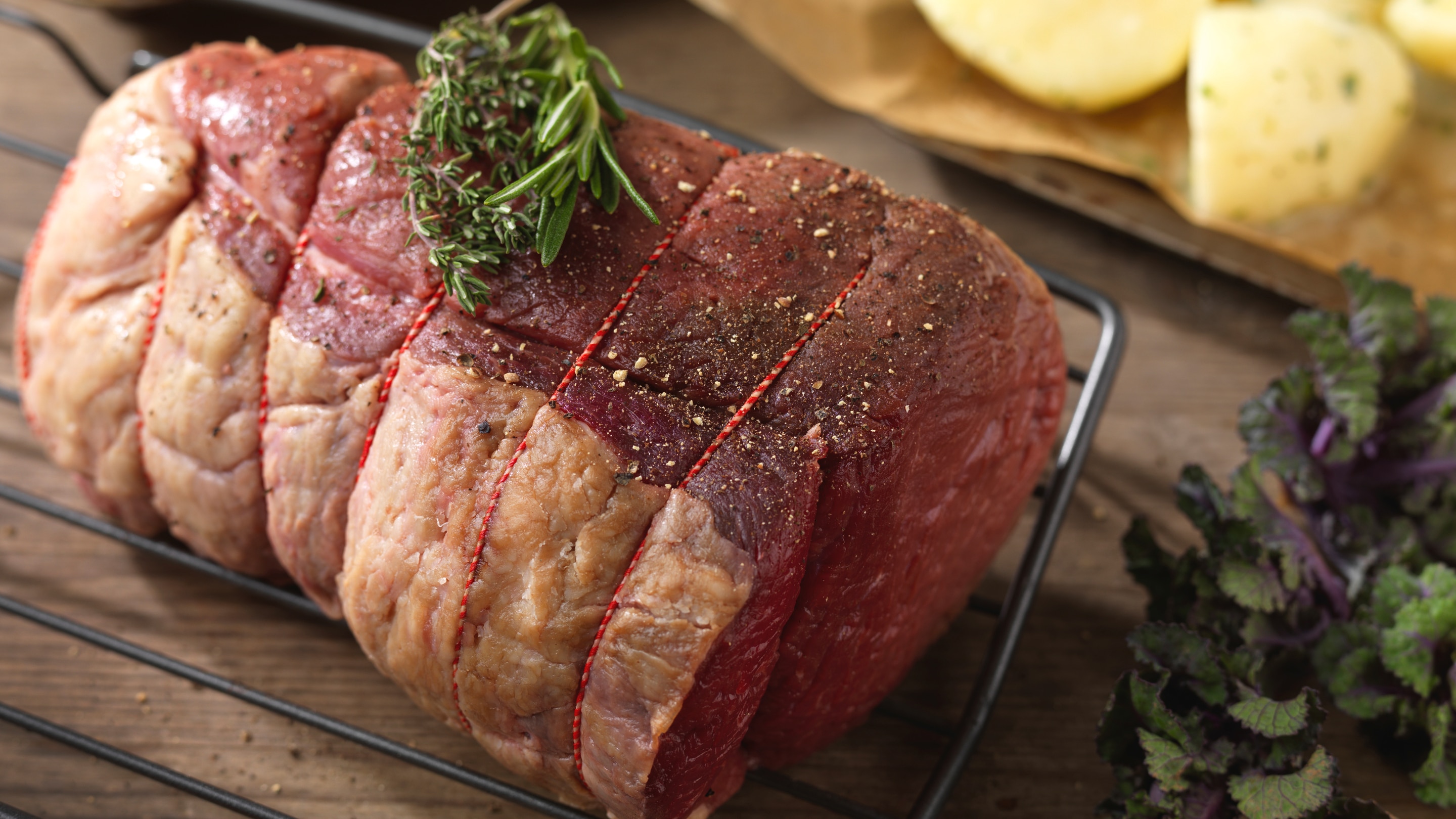
Knorr Recipes to Inspire Your Next Perfectly Roasted Meal
48 Results
-
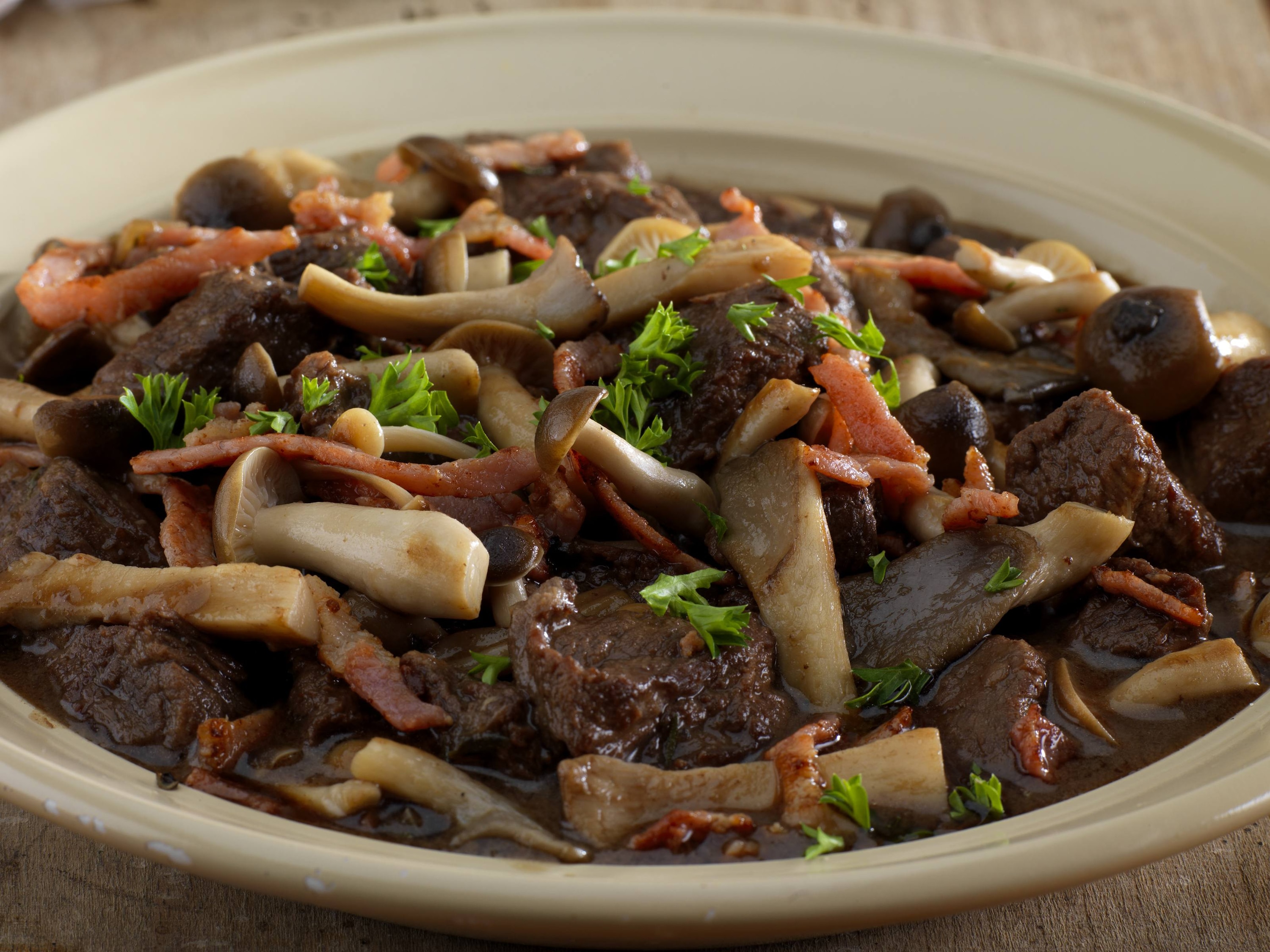
Beef Bourguignon with Mushrooms
-
CookingTime3 H 25 MINS
-
Difficulty Easy
-
PreparationTime40 MINS
-
Servings 6
people
-