Skip to:
;Resize=(240,200))
Key takeaways
- Ancient and natural preservation: Drying is a time-honoured technique that naturally preserves food by simply removing water, which eliminates the need for artificial preservatives.
- Concentrated flavour and aroma: The process locks in and intensifies the colour, aroma, and taste of ingredients, as seen when 12 tons of fresh onions are reduced to one ton of dried onion.
- Strategic farming enhances quality: Agricultural methods, like letting tomatoes go thirsty before harvesting, are used to naturally concentrate their sweetness and flavour before the drying process begins.
- Freshness is paramount: To ensure peak freshness and taste are captured, ingredients are processed quickly after being picked and sun-dried.
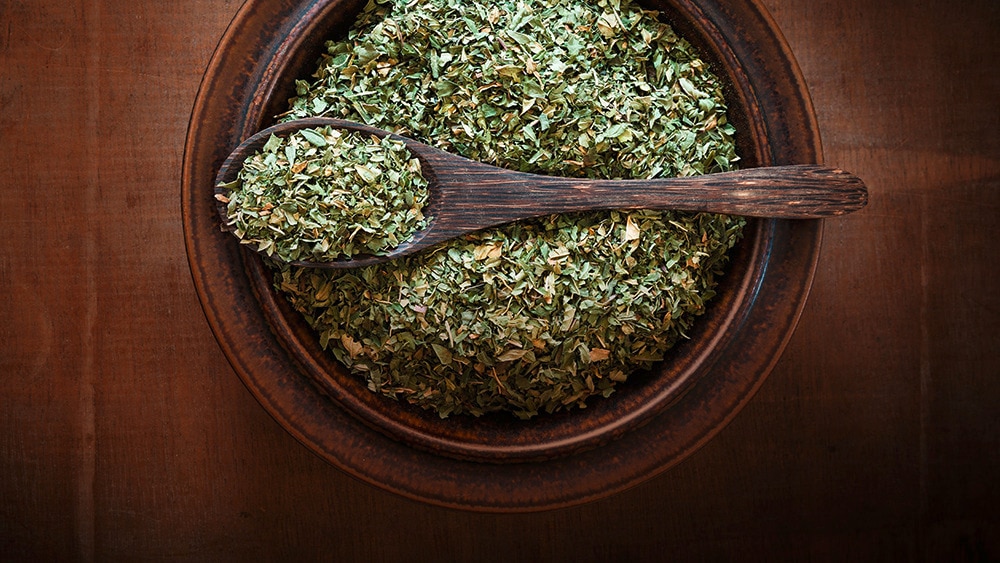
Dating back thousands of years, drying is one of the world's oldest food preservation techniques. It's a simple, safe method that effectively locks in the colour, aroma, and flavour of our ingredients for longer.
This drying process not only preserves flavour but also acts as a natural alternative to artificial preservatives. The logic is simple: when we dry our vegetables, we only remove the water and add nothing else.
The core principle of drying is that removing water eliminates the need for preservatives.
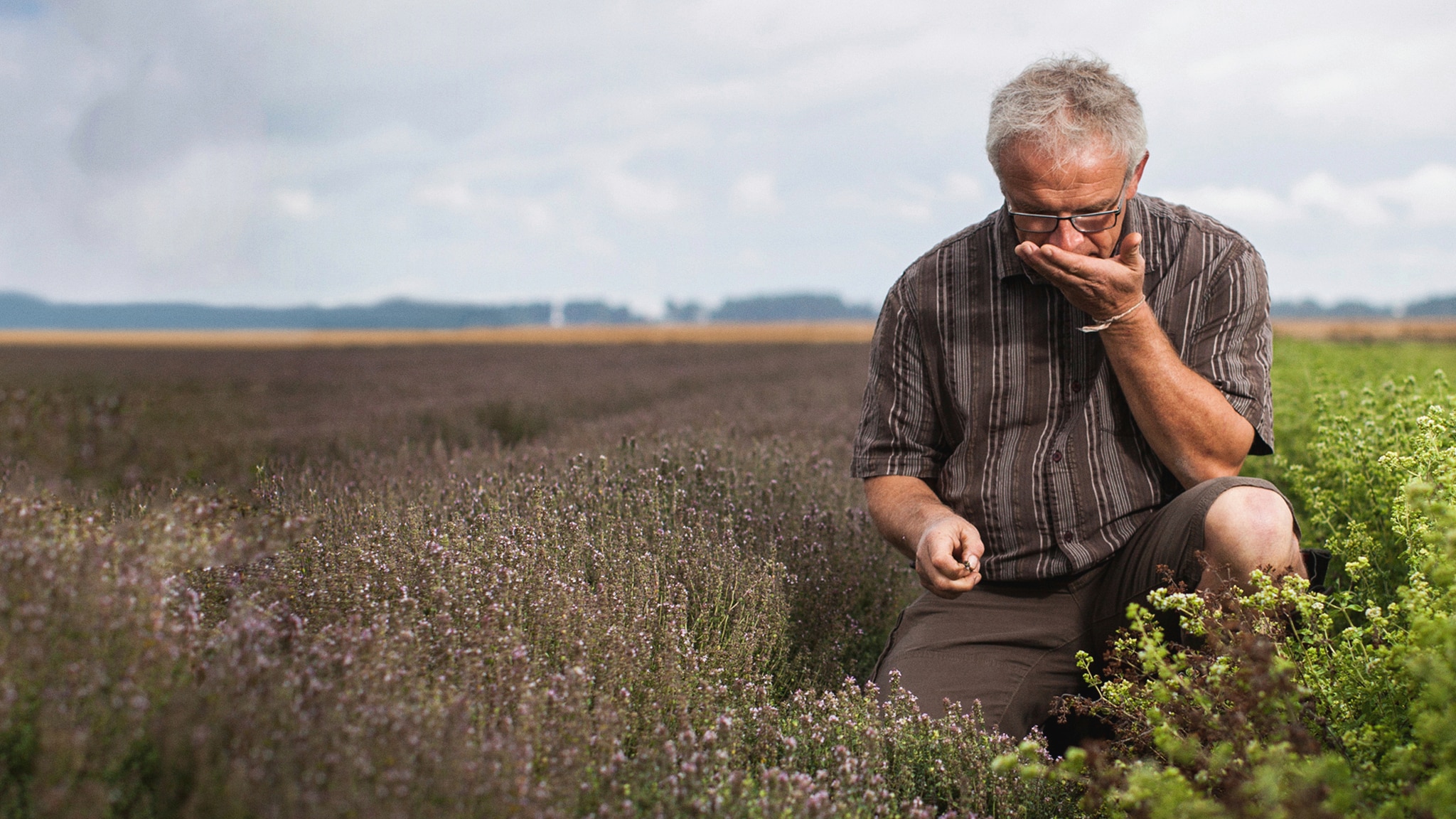
Take our tomatoes, for instance. Knorr farmers let them go thirsty for about a week before harvesting, which concentrates their natural sweetness. We measure this sweetness with a Brix test—the higher the number, the sweeter the tomato.
It's amazing how much water vegetables contain. To produce a single ton of dried onion, we begin with 12 tons of fresh onions. By removing that water, we ensure you get pure, concentrated flavour in your cooking without any dilution.
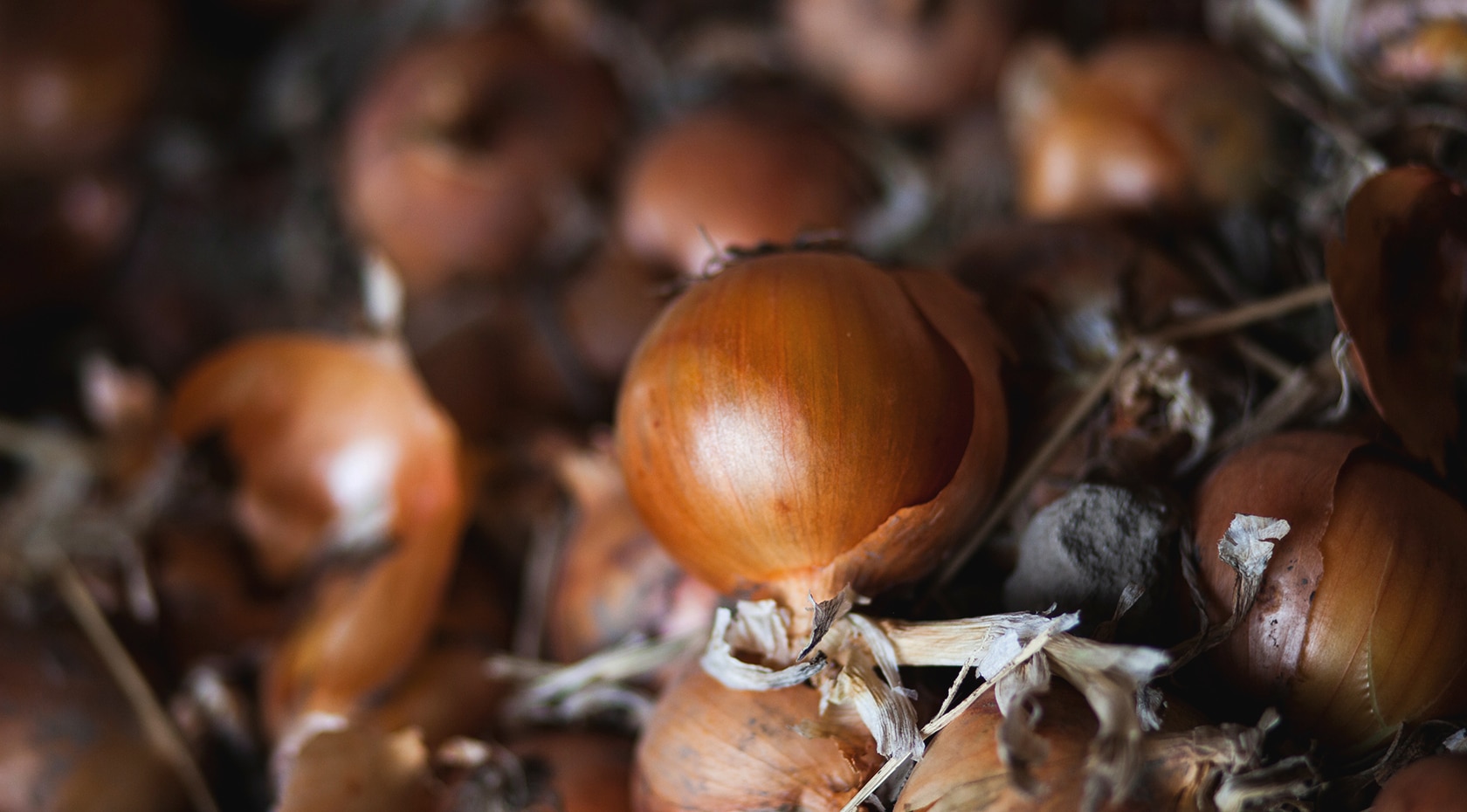
Sometimes nature gives us a head start on the drying process. Our onions, for example, are picked and left to dry in the sun for a few days. Once peeled, they are processed within a couple of hours to lock in their freshness and taste. While not all our sustainable ingredients are dried—many are turned into pastes or pulps for soups and stock pots—it's inspiring that this ancient method will continue to deliver flavourful ingredients for years to come.