Skip to:
;Resize=(240,200))
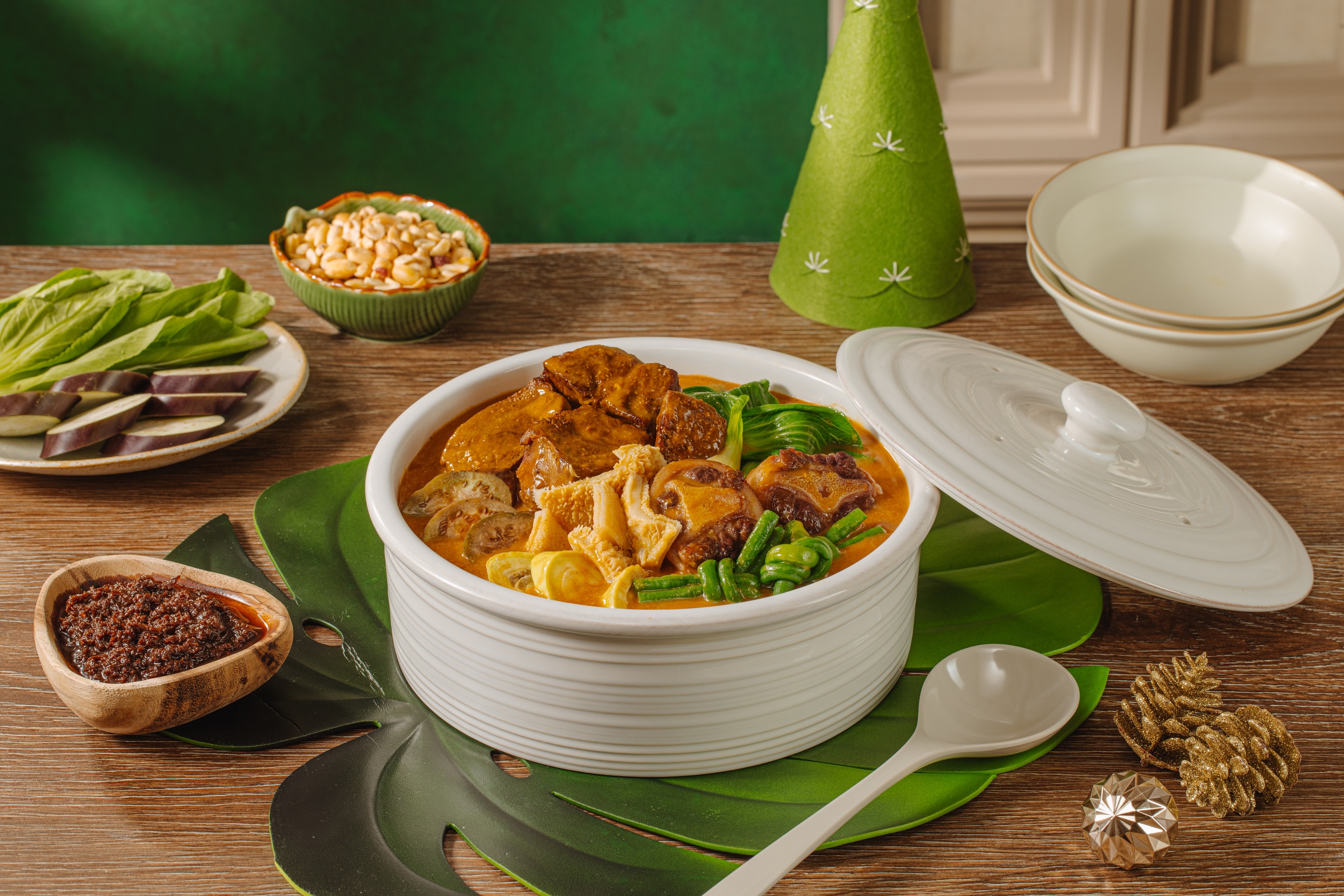
Oxtail Kare-Kare Recipe with Creamy Peanut Sauce
Kare-kare is a Filipino dish many associate with fiestas and family celebrations. It instantly makes any gathering feel complete once it’s served on the table. But with this kare-kare recipe, you don’t have to wait for a special occasion; you can celebrate small wins by cooking it at home anytime.
-
1 H 30 MINS
Cooking Time
-
Medium
Difficulty
-
20 MINS
Prep Time
-
6 People
Serves
- Amount per Serving
| Nutritional values | Amount per Serving |
|---|---|
| Energy (kcal) | 245.98 kcal |
| Protein (g) | 6.73 g |
| Sugar (g) | 5.11 g |
| Fat (g) | 20.29 g |
| Fibre (g) | 3.1 g |

Suggested recipes

Want tailored recipes, tips and tricks, and product news?
Tell us your cooking preferences and we'll do the rest.
Kare-kare is a traditional Filipino peanut stew often prepared with with tender oxtail and vegetables. It is known for its rich, creamy peanut sauce that coats the meat and vegetables without being too thick or watery.
Why Kare-Kare Is a Filipino Comfort Dish?
Oxtail kare-kare feels comforting because of its rich, thick peanut sauce that coats every bite. Its slightly sweet, savory flavor, balanced with bagoong, is deeply familiar to Filipino palates. It’s the kind of dish often shared during gatherings, making it closely tied to memories of family meals.
Common Kare-Kare Variations
While oxtail remains the classic choice, many traditional versions combine it with beef tripe, face, or skin. Others use pata or beef shank to achieve similar richness. There are also pork, seafood, tofu, and vegetable-only versions, all built around the same signature peanut base.
Key Ingredients for a Good Kare-Kare
An excellent kare-kare recipe highlights three core elements: tender meat, a balanced peanut sauce, and properly cooked vegetables. The peanuts create the stew’s signature richness, while achuete provides its distinct warm color. Eggplant, sitaw, pechay, and sometimes banana heart add freshness and contrast to the creamy sauce.
How to Thicken the Kare-Kare Sauce
This traditional peanut stew thickens with toasted ground rice, which gives the sauce body while keeping the peanut flavor clear. The rice is lightly browned before grinding, adding subtle nuttiness and improving texture. You can use rice flour as a shortcut, but toasted rice produces a more traditional consistency.
Should You Use Peanut Butter or Ground Peanuts?
Ground roasted peanuts deliver deeper flavor and a more traditional finish. However, peanut butter offers convenience and reliable creaminess, especially for home cooking. For a more indulgent take, you can try other nuts like cashew, almond, or macadamia.
How to Serve Kare-Kare
Kare-kare is best served hot with bagoong alamang on the side to balance its richness. Spoon the oxtail stew over steamed rice to fully appreciate the sauce. It often appears during celebrations alongside dishes like lechon kawali, adobo, or ginataang hipon, rounding out a familiar Filipino spread.