Skip to:
;Resize=(240,200))
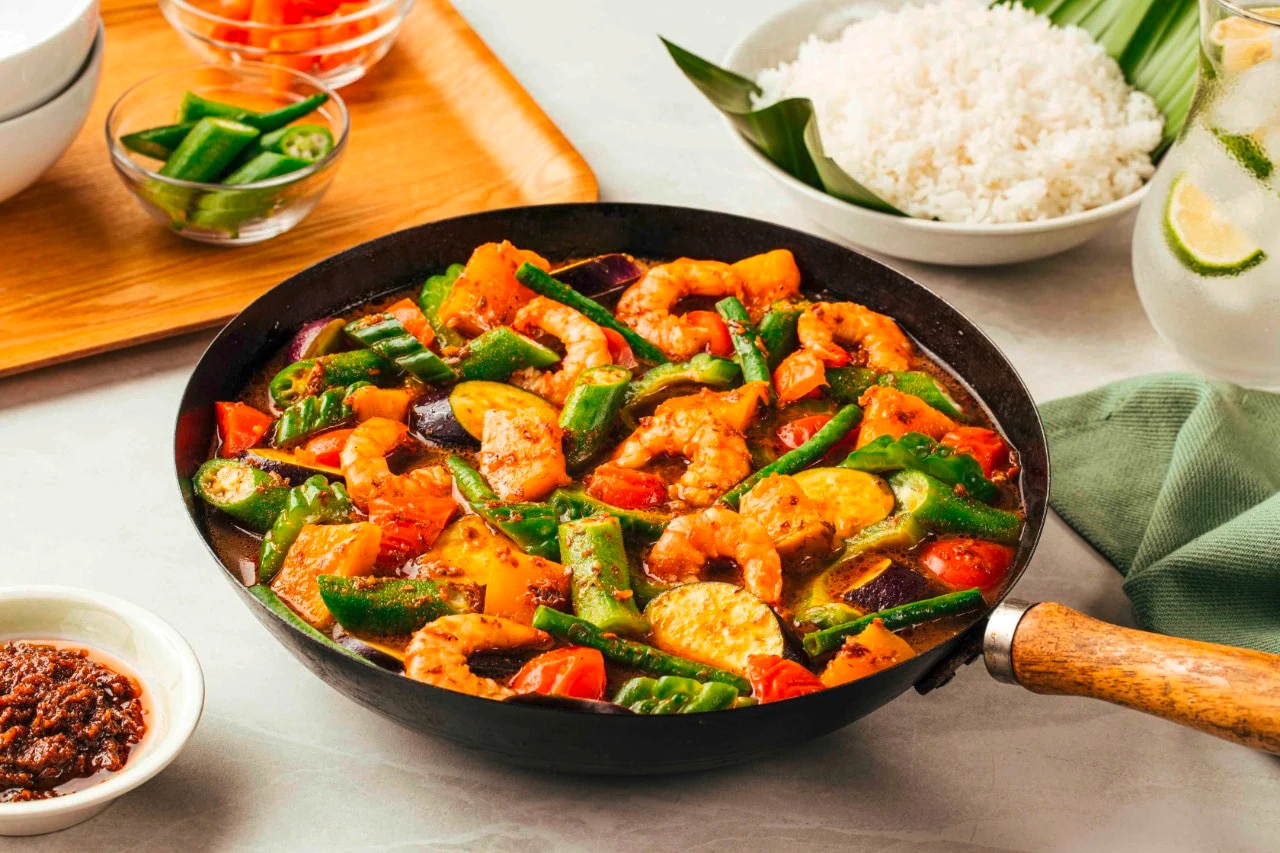
Easy Pinakbet Recipe (Ready in 30 Minutes)
This pinakbet recipe is a smart starting point for anyone learning to cook at home, especially solo dwellers or couples building a weekly meal plan. The dish brings together mixed vegetables and pork in a savory shrimp paste-based stew that stretches ingredients and pairs naturally with rice. This guide shows how to cook pinakbet step by step, so first-time cooks can achieve balanced flavors with confidence.
-
15 MINS
Cooking Time
-
Easy
Difficulty
-
10 MINS
Prep Time
-
5 People
Serves
- Amount per Serving
| Nutritional values | Amount per Serving |
|---|---|
| Energy (kcal) | 246.04 kcal |
| Protein (g) | 6.64 g |
| Sugar (g) | 2.17 g |
| Fat (g) | 21.96 g |
| Fibre (g) | 2.11 g |

Suggested recipes
Want tailored recipes, tips and tricks, and product news?
Tell us your cooking preferences and we'll do the rest.
Pinakbet is a Filipino vegetable stew flavored with fermented shrimp paste or bagoong. It combines pork and fresh vegetables in a savory, slightly salty sauce. Most households cook it as an everyday ulam because it uses simple steps and pantry staples.
Pinakbet Ilocano vs Pinakbet Tagalog
Pinakbet traces its roots to the Ilocos region. The Ilocano version uses bagoong monamon, a fermented anchovy sauce, and keeps the sauce minimal to highlight the vegetables. As the dish spread to Luzon, the Tagalog version emerged using bagoong alamang, fermented shrimp paste, with a slightly saucier base and often more meat.
Common Vegetables Used in Pinakbet
Squash, sitaw, ampalaya, eggplant, and okra form the base of most pinakbet recipes. Tomatoes are often added for body and mild acidity. The mix reflects what is fresh and available in local markets.
How to Serve Pinakbet
Pinakbet is best served hot with plain steamed rice. Many pair it with fried fish or grilled meat for contrast. Leftovers reheat well and develop deeper flavor the next day.